
Community-centred Solutions for Climate Action
Building a just, sustainable and thriving future for everyone is not possible without working together.
In light of recent global shifts in foreign aid, this year’s theme for Canada’s International Development Week 2025, “Building a better world together,” took on even greater significance. The theme underscores the need for increased international solidarity as well as innovative and collaborative approaches to international development. At the Equality Fund, we know that building a just, sustainable and thriving future for everyone is not possible without working together. During International Development Week and beyond, we celebrate our many partnerships and the value of international cooperation.
A spotlight on climate action and finance
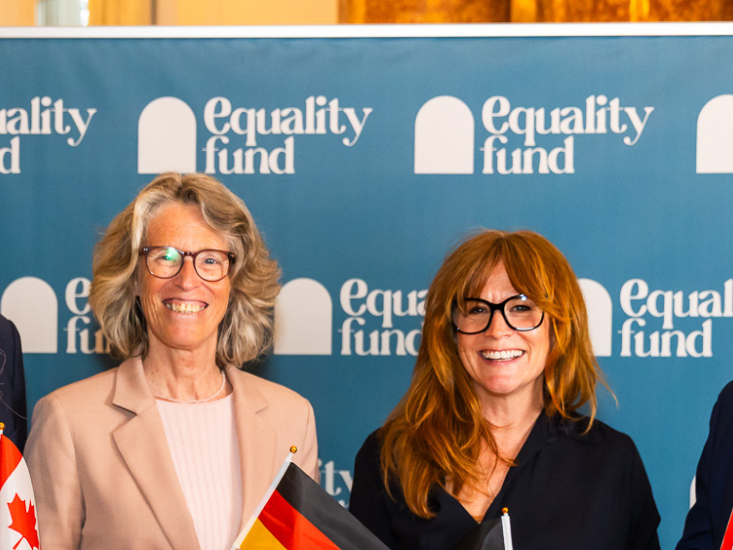
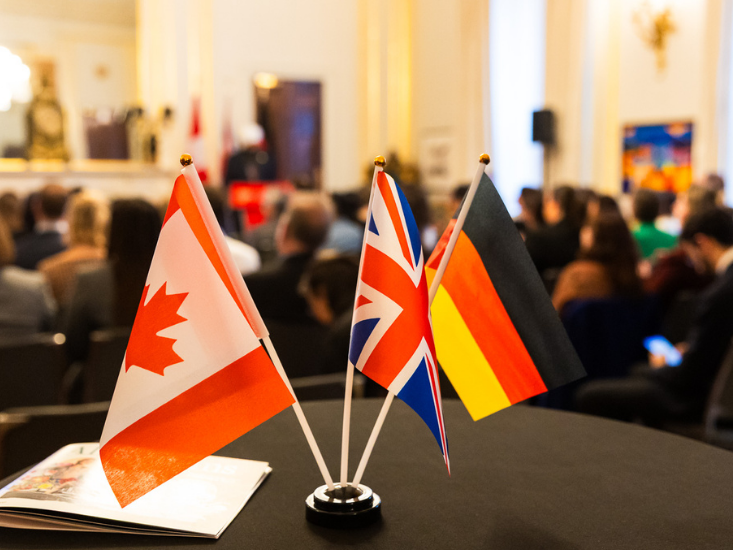
Our event, Grassroots, Feminist Climate Action: Today’s Achievements, Tomorrow’s Promise, focused on how bilateral climate finance can reach Global South grassroots feminist organizations and women-led community-based organizations at scale through feminist and environmental justice funds. It showcased a number of our partnerships: Global South feminist organizations LILAK, Fondo Casa, and Green Girls Platform, the Global Alliance for Green and Gender Action (GAGGA), and Global Affairs Canada.
Grassroots, Feminist Climate Action: Today’s Achievements, Tomorrow’s Promise
Indigenous women leading community-centred climate solutions: Philippines
Organizations like LILA (https://www.lilak.net/)K (https://www.lilak.net/) in the Philippines are finding that even for a climate disaster-prone country, the Philippines has seen unprecedented climate effects in recent years. As LILAK’s coordinator Judy Pasimio points out, rural women and Indigenous communities are the most vulnerable to its devastating impacts. She said knowing that livelihoods, access to natural resources, and futures are at risk, LILAK equips women Indigenous leaders to implement community-centred climate solutions like Indigenous farming practices and resist corporation-driven solutions that maintain the status quo. This work requires cross-movement building across feminist, Indigenous, and environmental groups at all levels and from local to international.
Reaching grassroots organizations across South America
Likewise, Vanessa Purper from Fondo Casa (https://casa.org.br/en/), a socio-environmental fund in South America, argued that women’s rights, human rights, and environmental protection are inextricably linked. Fondo Casa funds the local, multifaceted solutions led by peoples, communities, and territories most impacted by the climate crisis. As a member of an alliance of Global South socio-environmental funds (https://alianzafondosdelsur.org/wp-content/uploads/2024/12/Voices-of-the-South_2024-Edition.pdf), Fondo Casa and the 15 other funds leverage the grassroots relationships they have built over many years and channel climate finance to hundreds of local groups.
Tackling the intersecting barriers to climate action: Malawi
Joy Hayley Munthali brought her experience founding Malawi’s Green Girls Platform (https://greengirlsplatformmw.org/). Munthali emphasized the importance of listening to girls and their experience and knowledge, from the way the climate crisis is impacting them, their barriers to climate action, to their policy ideas. She learned that there is no point in offering girls climate education if their chores don’t allow them to go to school, or if they are at risk of gender-based violence– making the case for addressing women’s rights and the climate crisis in tandem. The Green Girls Platform has grown from a handful of girls in 2016 to over 1,000 girls active today, bringing their climate demands and solutions to negotiating tables.
Start solutions with listening
Reflecting Munthali’s message on the importance of listening, Global Affairs Canada representative Connie Tulus and Anita Vandenbeld, Parliamentary Secretary to the Minister of International Development, expressed their appreciation to hear from feminist organizations and women-led community-based organizations funded with Global Affairs Canada climate finance. A key piece of advice for bilateral and other climate funders is to invest in mechanisms already in place, whether grassroots groups directly or through environmental justice and feminist funds embedded in the movements they serve.
As we face an alarming moment of severe cuts to Official Development Assistance broadly (https://www.globalcitizen.org/en/content/the-global-safety-net-frays-european-countries-cut/) and to gender equality specifically (https://odi.org/en/insights/ringing-the-alarm-bell-what-recent-oda-trends-indicate-for-gender-equality/), it’s crucial to uplift the results of development assistance efforts that continue to demonstrate community-based, long-term success by deploying climate finance in extraordinary ways. We continue to build a better world together.